Nordic method, Indian soil
Nordic technique used in Indian terroir, in a seasonal tasting experience.
Havsrök began with one question: what happens when the discipline of the Nordic larder is applied to Goan produce? Our answer is a kitchen that cures, smokes, ferments and chars what grows, swims and is foraged around us, and a dining room that lets the season write the menu.
Nordic technique
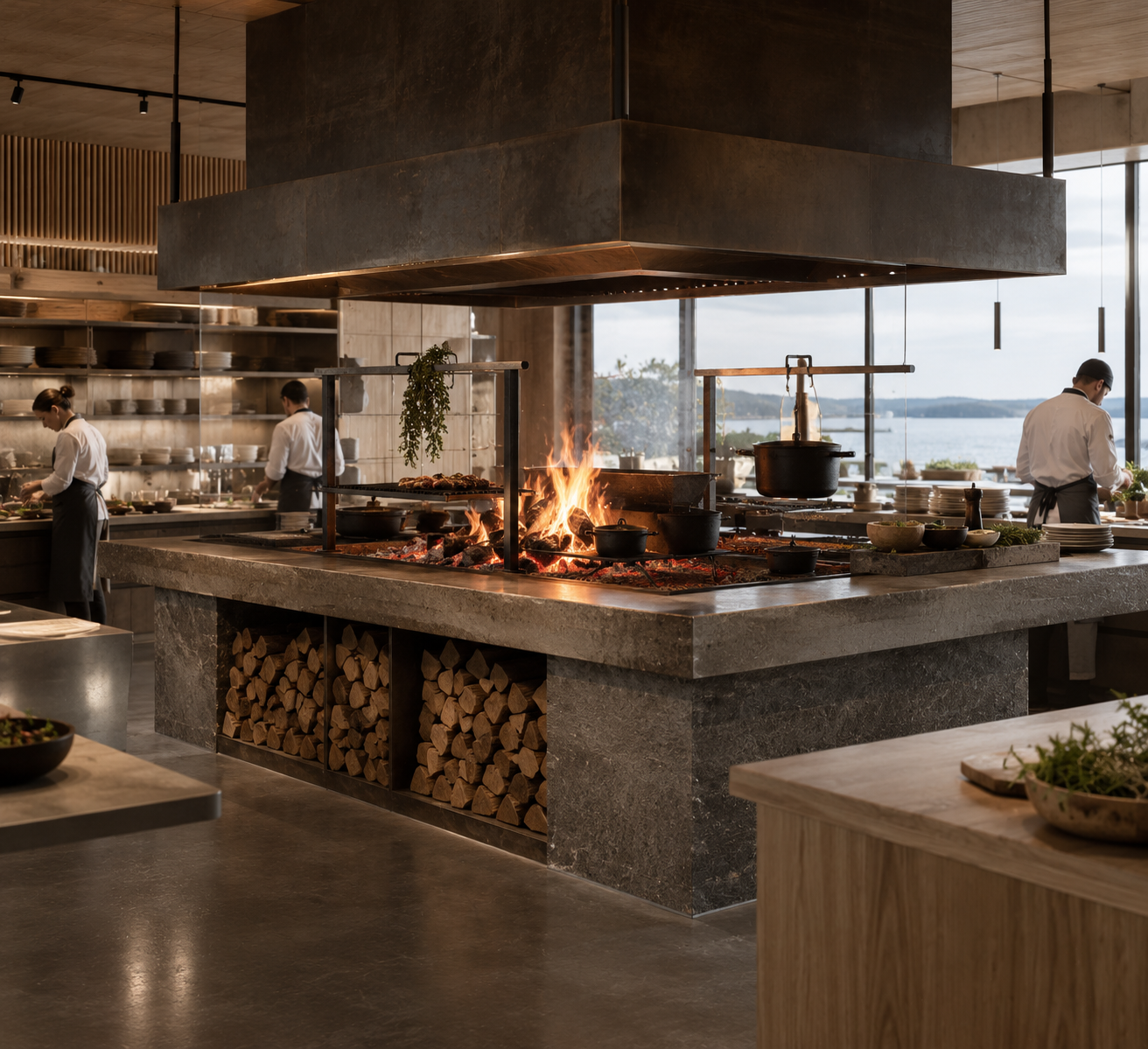
Smoke is the oldest Nordic way of keeping the catch, and here it comes from native wood and hay.
Fermentation gives the plant-based dishes their depth, through slow cultures and koji.
Open flame is the third voice, charring vegetables over embers until their sugars turn smoky.
Indian terroir
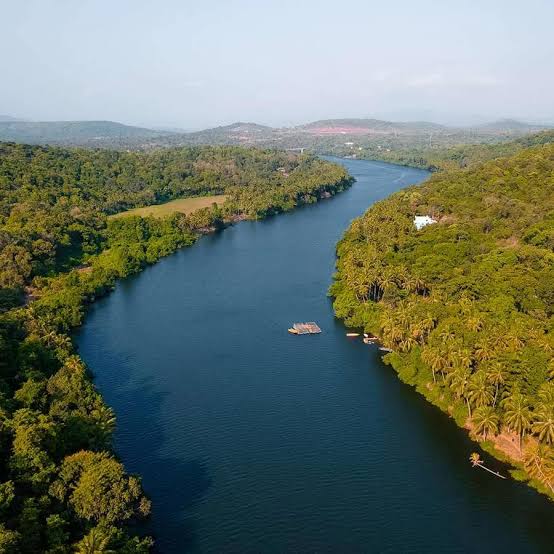
Our cooking sits at the meeting point between the briny Zuari River estuary and the deciduous hill forests of Bambolim.
Ancestral grains such as indigenous ragi, bajra and jowar are milled in-house.
Zero-kilometre sourcing
Every ingredient is foraged, harvested or caught within our immediate ecosystem.
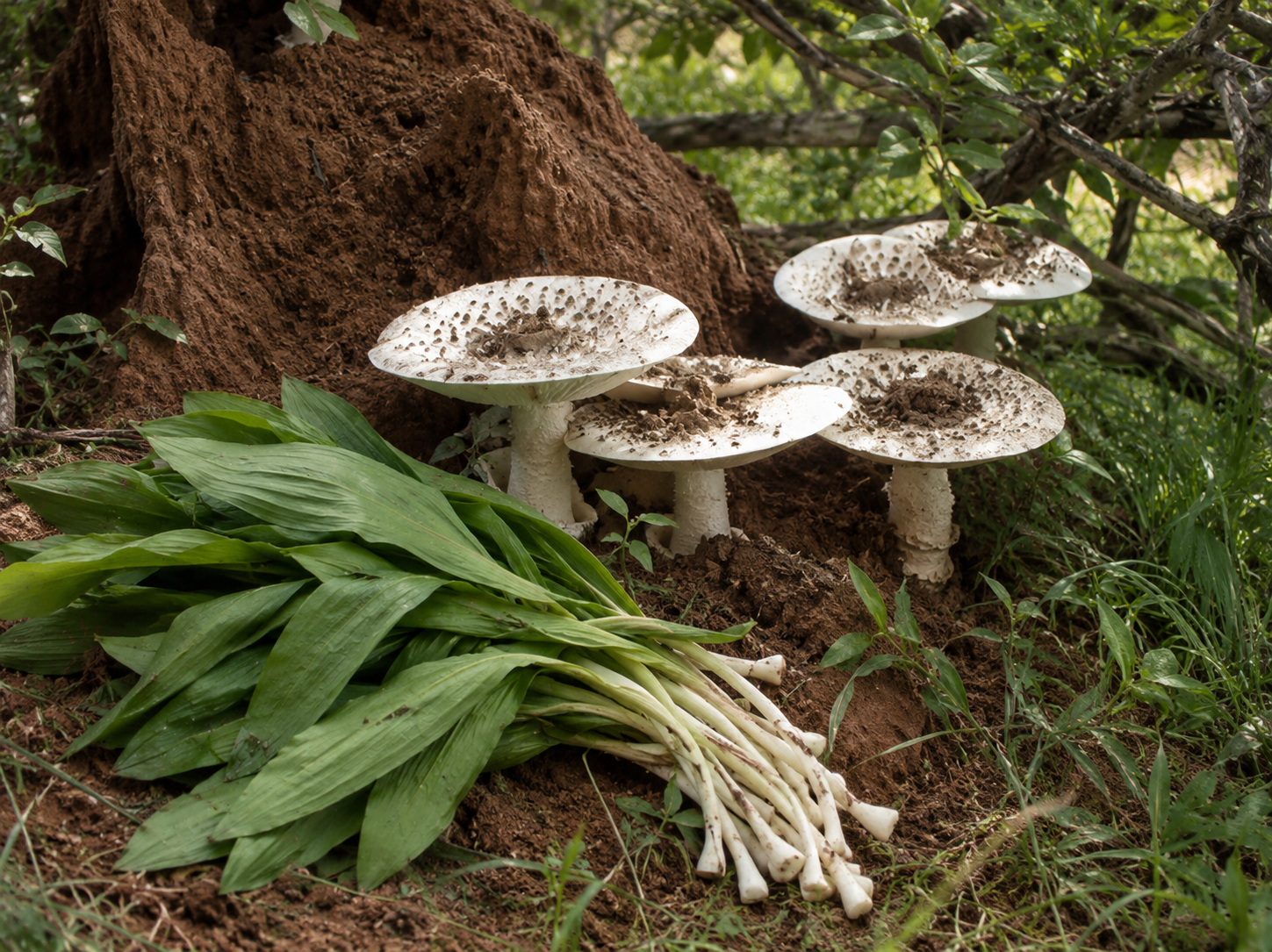
Wild jungle leeks and termite-hill mushrooms come from the forests around us.
Daily catches of wild chonak (barramundi) and Konkan sardines are landed alongside our shores.

The harvest writes the menu
Our menus are based on ingredient availability. When the catch changes or a harvest ends, the menu changes with it, and nothing is ordered in to fill the gap.
See the menus →
Translated, not copied
- Dill becomes shepu, and it turns up in oils, brines and the aquavit sauce.
- Lingonberry becomes karonda and kokum, cooked into a tart preserve.
- Rye crispbread becomes crispbread of ragi, bajra and jowar.
- Hay smoke is used on rawas and mooli, while native wood fire cooks the scampi and the jackfruit.
- The Nordic open sandwich arrives on millet bread, spread with ghee and house preserves.
- Aquavit is infused in house, then served beside Scandinavian bottles and Indian craft gin.